When to visit Madeira
Madeira has one of the mildest climates in Europe, with average temperatures between 17°C and 26°C all year round. There is technically no bad season, but each period has a different character.
| Period | Weather | Crowds & prices |
|---|---|---|
| April – June | Mild, green, flowers in bloom | Moderate, good value |
| July – August | Warmest, best for beaches | High season, busiest and priciest |
| September – October | Warm sea, fewer crowds | Moderate, good value |
| November – March | Mild but rainier, dramatic landscapes | Low season, best prices |
How to get to Madeira
Madeira is served by Cristiano Ronaldo Madeira International Airport (FNC), located in Santa Cruz, about 20 minutes from Funchal. Direct flights run from Lisbon, Porto, and several major European cities including London, Paris, Frankfurt, and Amsterdam. Flight time from Lisbon is roughly 1.5 hours; from most of mainland Europe, 3.5 to 4.5 hours.
Outside of peak summer weeks, flights can be found for reasonable prices if booked a few months ahead. There is no ferry service connecting Madeira to mainland Portugal, so flying is the only practical option.
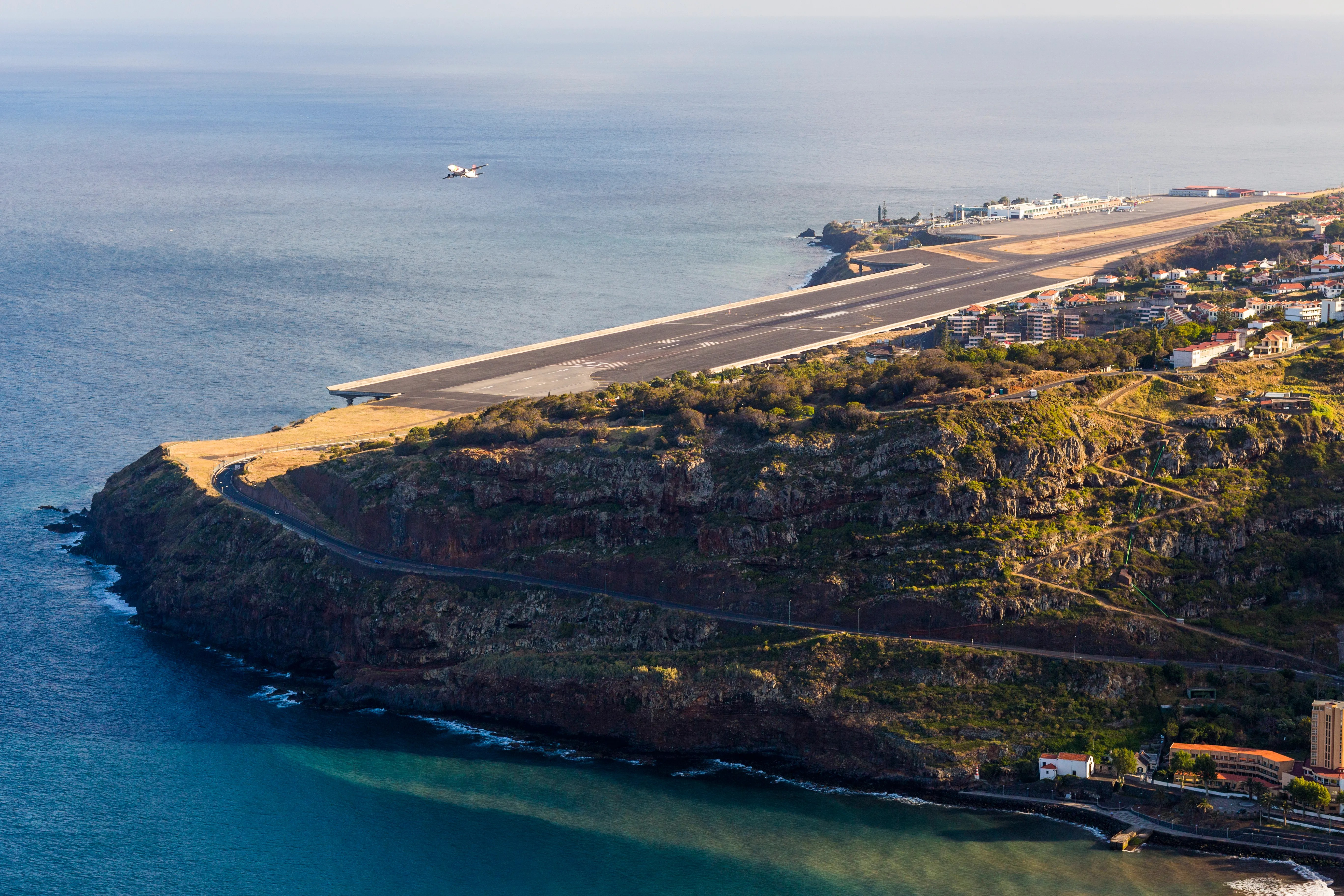
Madeira's airport runway, extended over the ocean on stilts — one of the most distinctive landings in Europe.
Getting around: do you need a car?
Yes — for almost every visitor, a rental car is the right choice. Madeira's most rewarding spots (levada walks, mountain viewpoints, the north coast, smaller villages) are spread across the island and not reliably connected by public transport. Roads are well maintained, mostly modern, and easy to drive once you're used to the mountainous terrain and occasional tunnels.
If you're staying in or near Funchal and only plan a couple of short excursions, taxis, organised tours, or the limited bus network can work. But for full flexibility — stopping wherever the view is good, adjusting your plans by the weather, or driving back late from a sunset spot — a car is worth it.
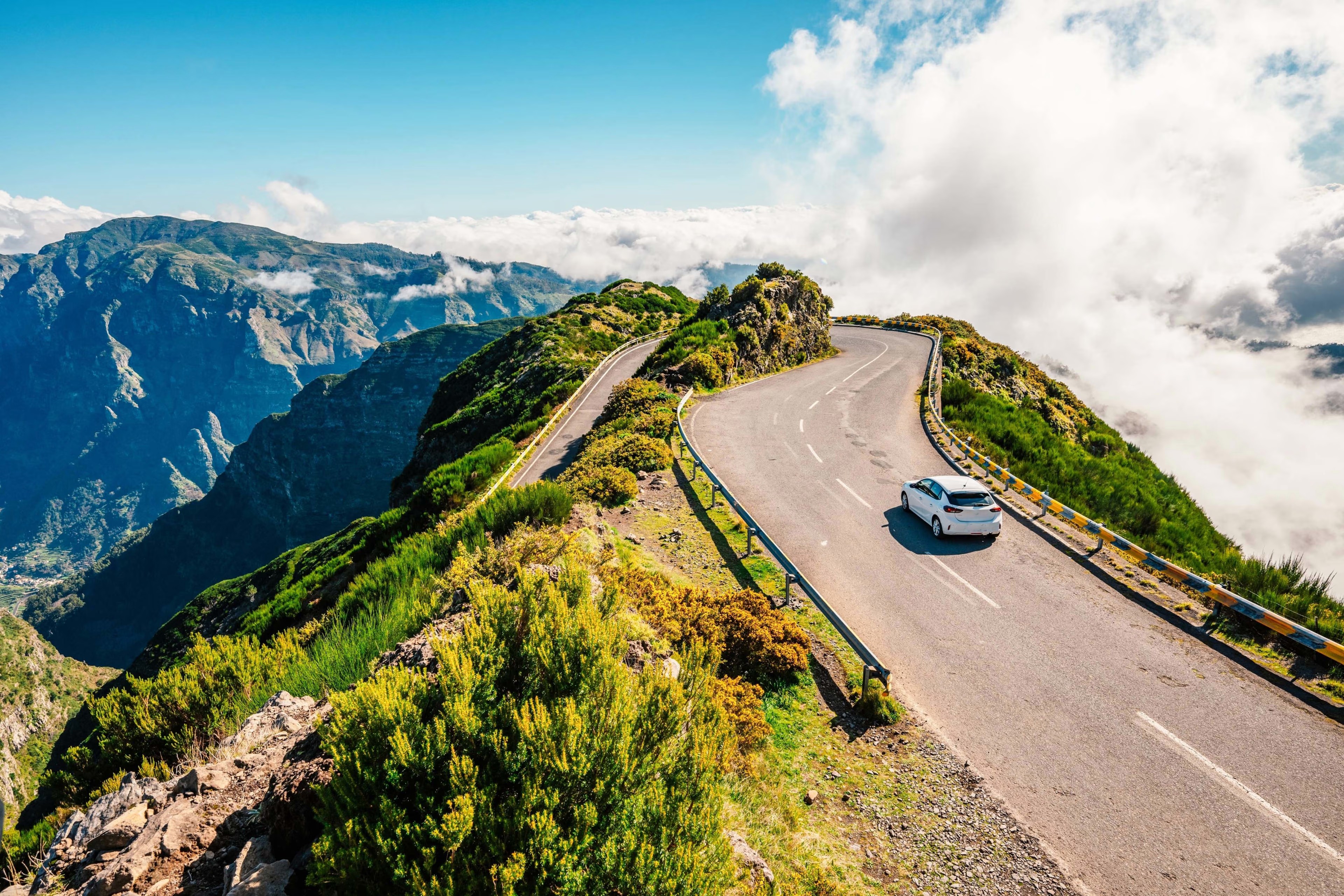
Mountain roads like this one, often rising above the cloud line, are part of why a car opens up so much of the island.
How many days do you need?
This depends on your pace, but as a general rule:
- 3–4 days: Enough for a first taste — Funchal, one or two levada walks, and a half-day drive around the east or north coast.
- 5–6 days: A comfortable amount of time to combine Funchal, Pico do Arieiro and the central mountains, the north coast (Porto Moníz, São Vicente), and at least one full day of hiking.
- 7+ days: Ideal if you want to properly explore the island, including the west coast, Porto Santo (the neighbouring island, a short ferry or flight away), and slower days without rushing between sights.

The ridge trail near Pico do Arieiro — one of the highlights for anyone spending 5 or more days on the island.
A simple structure for your trip
Rather than a fixed itinerary, here is a practical structure that works for most stays of 5 to 7 days:
- Day 1: Arrival, settle in, gentle walk around Funchal's old town and marina.
- Day 2: East coast — Garajau, Caniço, and the Ponta de São Lourenço trail if you have energy left.
- Day 3: Central mountains — Pico do Arieiro and the ridge walk towards Pico Ruivo (weather permitting).
- Day 4: North coast — Porto Moníz natural pools, São Vicente, and the coastal road back.
- Day 5: A levada walk inland — Levada do Caldeirão Verde or Ribeiro Frio, depending on fitness level.
- Day 6–7 (if available): Christ the King statue at Garajau, Funchal's Mercado dos Lavradores, or a relaxed day on the coast.
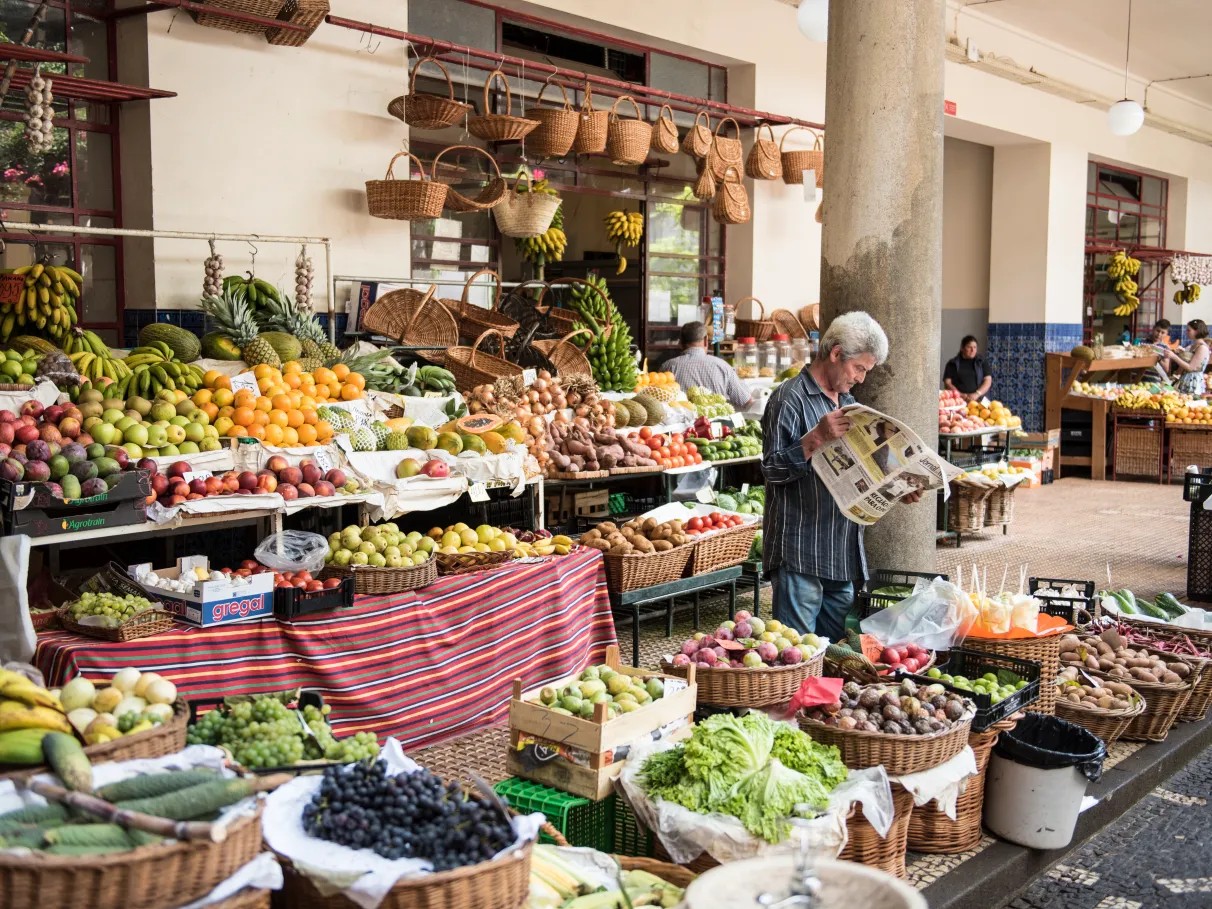
Mercado dos Lavradores in Funchal — tropical fruit, local produce, and a good half-morning stop on your last days.
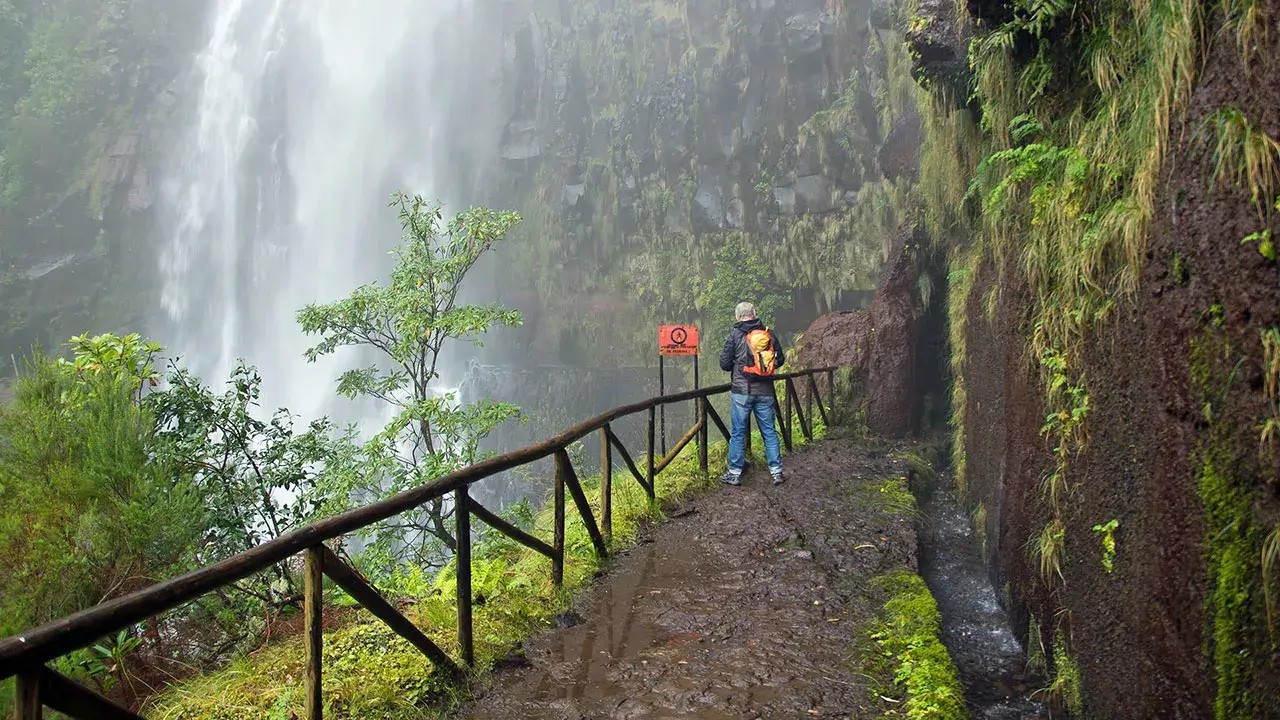
Waterfall-side trails like this one reward the levada walks built into your itinerary — sturdy footwear recommended.
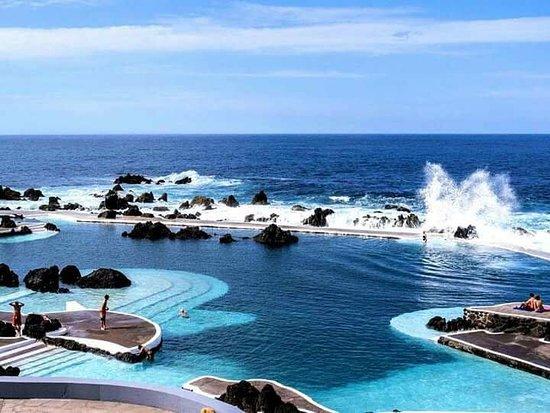
The natural pools at Porto Moníz — a north coast highlight worth building a full day around.
What to pack
Madeira's weather can shift quickly between coast and mountains, so layers matter more than any single item.
- Light waterproof jacket — useful at altitude and during levada walks, even in summer.
- Comfortable walking shoes — cobblestones in towns, uneven terrain on trails.
- Swimwear — for the natural pools and beaches, any time of year.
- A warmer layer — temperatures drop noticeably at altitude, even in summer.
- Sunscreen — the sun is strong even on cloudy days, especially at higher elevation.
How much does a trip to Madeira cost?
Madeira sits in the moderate range for European island destinations — generally less expensive than the Algarve in peak season, and comparable to or slightly below the Canary Islands.
| Expense | Typical daily cost (per person) |
|---|---|
| Accommodation (mid-range apartment) | 35€ – 70€ |
| Rental car | 20€ – 40€ |
| Meals | 20€ – 40€ |
| Activities & fuel | 10€ – 20€ |
A realistic mid-range daily budget, excluding flights, lands around 70€ to 130€ per person.
Madeira rewards a bit of planning — not because it's complicated, but because the island has so much packed into a small area that it's easy to underestimate how much time you'll want. Get the basics right (timing, a car, realistic days) and the rest of the trip takes care of itself.
Frequently asked questions
How many days do you need in Madeira?
Most visitors need a minimum of 5 days to see Madeira's highlights without rushing, and 7 days to explore comfortably, including the east coast, the central mountains, the north coast, and Funchal. A long weekend of 3 to 4 days works for a first taste, but you will leave wanting more time.
What is the best time of year to visit Madeira?
Madeira has a mild climate year round, with temperatures typically between 17°C and 26°C. Late spring (April to June) and early autumn (September to October) offer the best balance of warm weather, lower prices, and fewer crowds. Summer (July and August) is the busiest and most expensive period.
Do you need a car to visit Madeira?
Yes, a rental car is strongly recommended. Madeira's best landscapes, levada walks, and viewpoints are spread across the island and many are not well served by public transport. A car gives you the flexibility to explore at your own pace, which is especially useful if you are staying outside central Funchal.
How do you get to Madeira?
Madeira is reached by air through Cristiano Ronaldo Madeira International Airport (FNC) in Santa Cruz, about 20 minutes from Funchal. Direct flights operate from most major Portuguese and several European cities, with flight times of around 1.5 hours from Lisbon and 3.5 to 4.5 hours from other parts of Europe.
Is Madeira expensive to visit?
Madeira is moderately priced compared to other European island destinations. A mid-range daily budget covering accommodation, car rental, food, and activities typically ranges from 70€ to 130€ per person, excluding flights. Eating and renting a car locally is generally more affordable than in the Algarve or the Canary Islands.
Planning your Madeira trip?
Coastal Garden is a 70m² ocean-view apartment in Caniço/Garajau — the perfect base for exploring the east coast, just 10 minutes from Funchal.
Check Availability